I’m a big fan of ‘Back to the Future’, and live and breathe innovation. So this is easily one of my favourite topics to talk about. I love it when people discover and unleash new potentials in the world around them – and in themselves.
a notoriously bad track record of estimating how »impossible« something really is. In this talk, we'll jump into a time machine and go back, all the way to the onset of human civilization, and explore what we can learn from ancient and former »impossibilities« – for what we consider to be impossible today.
Key points
- ‘Impossible’ is just a feeling.
- Many things that are normal to us are former impossibilities.
- We can learn from how we misinterpreted impossibility historically for today’s impossibilities.
- Innovation is like a puzzle.
- New pieces must fit what we already have, the ‘problem landscape’.
- If they don’t, we end up with a ‘solution looking for a problem’.
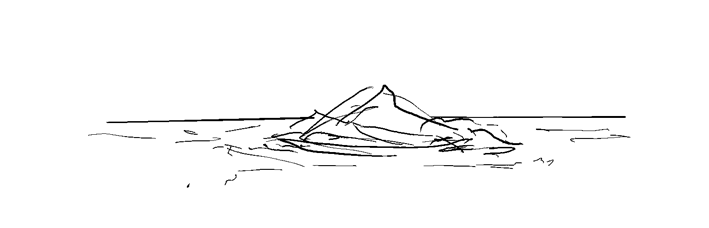
- We’ll develop an image of all of human knowledge taking shape as an island in the ocean.
- This island consists of puzzle pieces and grows every day.
- It’s a self-accelerating process, as more knowledge makes gaining more knowledge easier.

Our world, today.
If we take a look out there, we see a lot of impossibilities: big, global ones and smaller, individual ones. How do we react to these? First of all: emotionally, often with fear, frustration, desperation, and guilt. And then, we do the next logical thing: nothing.
Much more, we do something else, something that makes us feel busy, but doesn’t really contribute to tackling the ‘impossible’. And it makes sense, it’s impossible, after all. Isn’t it?
Some problems simply make us run away — which makes the impossible really impossible to tackle, because if we don’t try, we can’t win. That’s why ‘impossible’ is such a dangerous judgement: it stops us from pushing further.
What if?
But what if ‘impossible’ isn’t a judgement for eternity? What if it’s just a feeling, not more than a quick, biased estimation of the current situation? Looking at all the things that are possible today, we can easily see that many of the things that we take for granted as almost natural, are, in fact, former impossibilities.
So, let’s take a journey through time, from the onset of civilisation to today and the future. Look for something that can serve us as a key to understanding our emotions when we are facing something ‘impossible’.
8000 BCE
Our journey begins in 8000 BCE, a critical turning point in human history. At this time, humanity transitioned from being hunters and gatherers to becoming farmers. This shift was monumental because it introduced the idea of the future. If we plant seeds today, tend to them, and have faith, something will grow tomorrow—an entirely new way of thinking. This newfound understanding led to the concept of home, a place worth staying because we now had something to wait for, something to grow.
Around this same time, an important invention came into existence: the brick, sun-dried and sturdy. Why hadn’t it been invented earlier? The answer is simple—it wasn’t necessary before. Nomadic people didn’t need bricks to carry around. This highlights a fundamental truth: even the best solutions are useless until the right problem arises.
Innovation:
A Puzzling Analogy
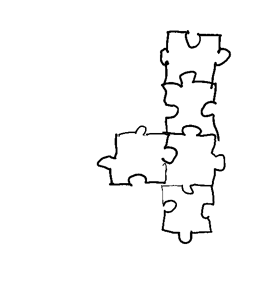
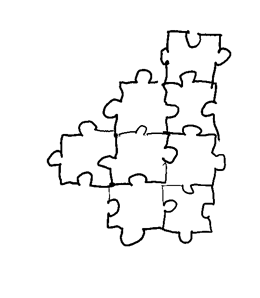
Think of innovation like a puzzle. You can’t place a piece in thin air—it needs to connect with what’s already there. The edge of the puzzle is the problem, and the solution must fit into it. This is true in all areas of progress, from the simplest tools to the most complex technologies. As we travel forward through time, we’ll see how each invention was not just a clever idea, but a response to a need, a problem that had finally appeared.
5000 BCE:
The Wheel, Writing, and Numbers
Fast forward to 5000 BCE, where humanity made several game-changing inventions: the wheel, writing, and the first numerical systems. Each of these innovations arose from the needs of early civilizations, which were growing more complex. Trade required wheels for transport, writing for record-keeping, and numbers to manage goods. The materials to create these inventions had always been there, but they only became useful when ‘fitting problems’ appeared. Once again, the puzzle metaphor fits—these innovations ‘docked’ onto the edge of the growing puzzle of human thinking, filling gaps that had finally been revealed – and creating new problems (a new border of the puzzle) along the way.
The Myth of the Impossible
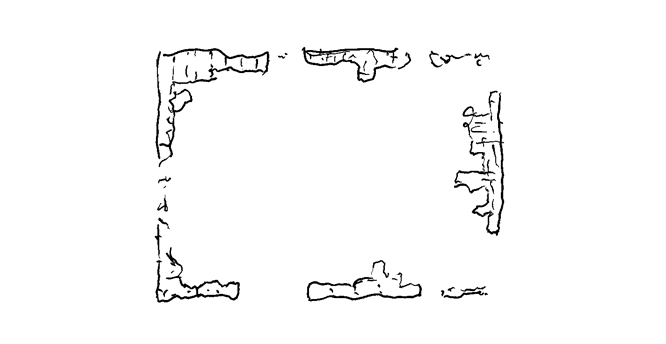
One of the key lessons we learn from history is that what once seemed impossible often becomes routine. Take the invention of writing, for example. Could it have been invented earlier? Technically, yes. But there was no need for it. It wasn’t impossible, just unnecessary. The same can be said for many of today’s innovations that we take for granted.
Coming Home
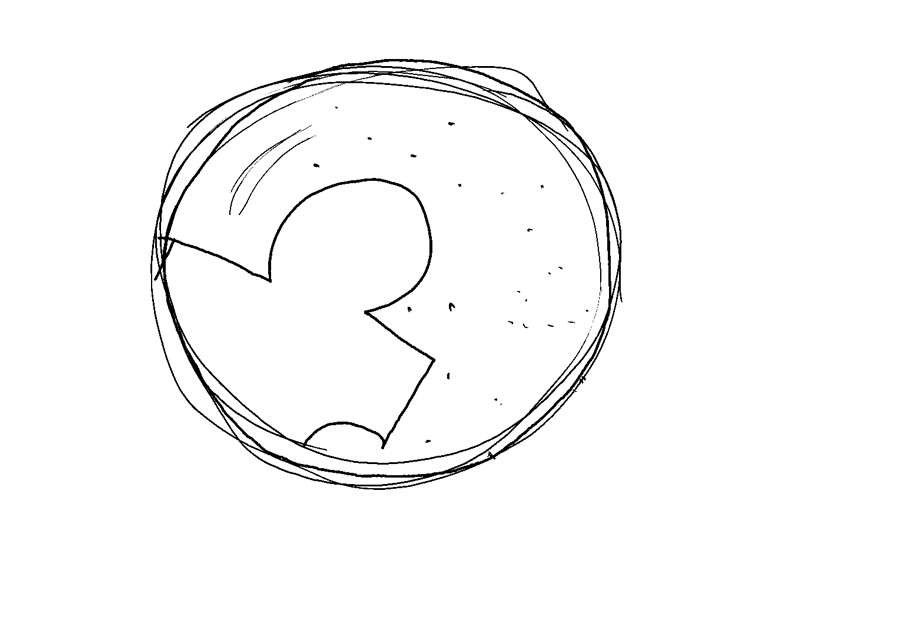
So, what can we take away from this journey? First, we should focus less on glorifying solutions and more on understanding problems—they are the fertile ground from which innovation grows. Second, we need to be aware of our blind spots, especially within our comfort zones, and seek out diverse perspectives to help us see clearly. Third, we should embrace failure as a necessary part of the process. And finally, we don’t need to be geniuses to innovate. We simply need to stay curious, open-minded, and willing to step outside our comfort zones.
Innovation is like a puzzle, and the joy comes not from having a complete picture, but from the process of fitting the pieces together. The path forward is never certain, but that’s what makes it exciting. Let’s keep exploring, keep puzzling, and most importantly—let’s have fun along the way.